Disclaimer: This is general advice for static caravan buyers. Some details may not apply to our park, so please check with our team before making any decisions.
Two parks. Same price bracket. Completely different experiences.
One has a clubhouse thumping until midnight, a different family in the caravan next door every weekend, and a sales team keen to talk subletting income.
The other has a bird hide, neighbours who wave when you arrive, and a policy that keeps strangers off the park entirely.
If you're weighing up static caravan parks in Mid Wales, that contrast matters more than most brochures let on. This guide explains why — and helps you figure out which model actually fits your life.
Quick Takeaways
- The Feel: Tranquil retreat vs. bustling holiday camp
- The People: Neighbours you recognise vs. weekly strangers
- The Investment: Protected value vs. rental wear-and-tear
- Tax Position: No Council Tax on holiday static caravans (in normal holiday-use situations)
- The Rental Myth: New tax rules have slashed buy-to-let returns
- Park Ethics: Transparent upgrades vs. forced sales cycles
Ads by Salop Caravan Sites
Scroll to continue with content
What This Guide Covers
- Commercial vs. owners-only parks: what's actually different
- Why holiday cottages now attract hefty tax premiums
- The buy-to-let numbers in 2026
- How upgrade policies really work
- Atmosphere, security, and running costs compared
- A simple checklist to guide your decision
1. Two Models, Two Mindsets
Holiday parks aren't all built the same way.
The large commercial parks — the ones with TV adverts — run on rental volume. Their pitches turn over weekly. Their business model depends on filling beds, not keeping owners happy for decades.
Owners-only parks work differently. No rental fleet. No subletting through holiday platforms. Just a community of people who bought for their own use.
For years, commercial parks won on price. Entry costs looked lower, and the "subletting covers your fees" story was persuasive.
But 2026 has changed the equation. Government crackdowns on second-home taxes and holiday letting reliefs have made the rental model riskier than it used to be.
For buyers looking at a static caravan in Mid Wales, an owners-only park now offers more certainty — and often better long-term value.
2. Getting Clear on the Difference
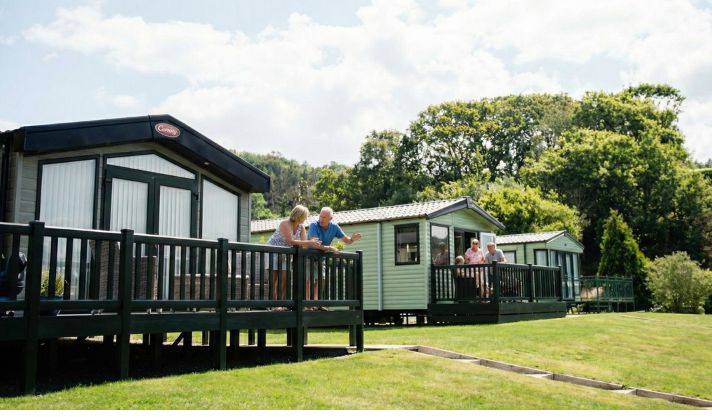
What Is a Commercial Rental Park?
These are the parks with national advertising budgets. Their business model centres on rental income — either from their own fleet or commission from owners who sublet.
- The Priority: Maximum occupancy, every week.
- The Environment: Lively, high-turnover, lots of weekend arrivals.
- Your Position: Often just another unit. If you sublet, you're essentially providing hotel rooms for the park's booking system.
What Is an Owners-Only Park?
An owners-only park has no rental fleet. Commercial subletting through holiday letting platforms isn't permitted.
- The Priority: Owner satisfaction and long-term retention.
- The Environment: Calm, secure, neighbourly.
- Your Position: A genuine member of a close-knit community.
Put simply: One model optimises for footfall. The other optimises for people who stay.

3. Key Differences at a Glance
Short on time? This comparison captures the essentials.
| Feature |
Commercial / Rental Park |
Owners-Only Park |
| Business Model |
Rental income (volume focus) |
Owner satisfaction (retention focus) |
| Atmosphere |
Busy, vibrant, high-energy |
Peaceful, private, relaxed |
| Subletting |
Encouraged (park takes commission) |
Not permitted (family & friends only) |
| Weekend Arrivals |
Heavy traffic (changeover days) |
Gentle pace (owners arriving) |
| Your Neighbours |
Different faces every week |
Familiar faces / genuine community |
| Typical Licence |
Often 10–15 years |
15-25 years (No longer) |
| Unit Condition |
Accelerated wear from renters |
Pristine condition for years |
4. The Financial Picture: Why 2026 Changes Things
Second homes got more expensive fast.
If you were considering a holiday cottage instead of a static caravan or lodge, the tax position has shifted sharply.
Council Tax Premiums on Second Homes
From April 2025, councils in England can add premiums of up to 100% on many second homes — doubling the bill.
In Wales, some councils can charge up to 300%.
A £2,000 bill could become £4,000 in England. In parts of Wales, potentially £8,000. It depends entirely on your local authority.
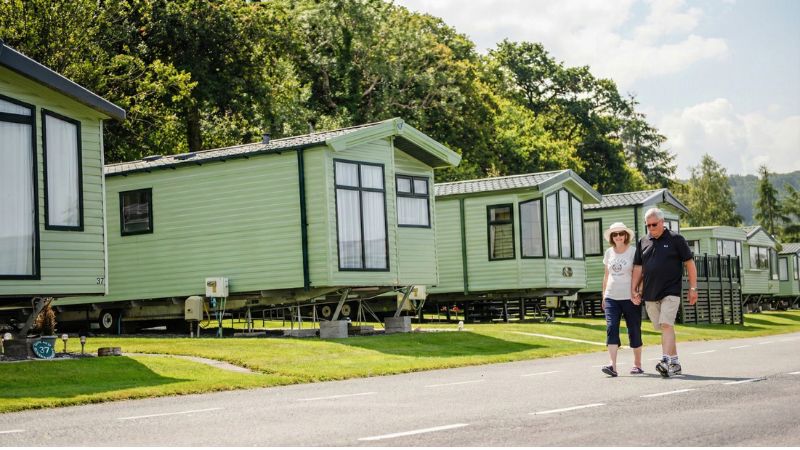
Static caravans and lodges on holiday parks are generally exempt — provided they're not used as a main residence. Parks typically pay business rates and recover a share through site fees, so owners often aren't hit by the new Council Tax surcharges.
Note: Council Tax rules vary by local authority and by how a property is used. This is general information — always confirm your position with your council or a qualified adviser.

The Buy-to-Let Numbers Don't Stack Up
Commercial parks have long sold caravans on the promise: "Rent it out and it practically pays for itself!"
That story weakened considerably in April 2025 when the government scrapped the Furnished Holiday Lettings (FHL) tax regime.
- Mortgage Interest: Full deductions against rental profits are no longer automatic.
- Tax Bills: Many owners now face higher tax on the same rental income.
- Wear and Tear: Renters use your caravan like a hire car. Carpets stain. Furniture suffers. Appliances fail early.
On an owners-only park, there's no rental income. But there's also no tax complexity — and your holiday home stays in excellent condition year after year.
5. Security of Tenure: The Upgrade Reality
You may have seen headlines about the "Wild West" of holiday parks. The controversy typically involves how parks handle ageing caravans.
The Commercial Churn Approach
On aggressive commercial parks, the objective is sales turnover. Strict clauses often push owners to upgrade — or leave — primarily to generate fresh sales commissions.
The Ethical Alternative
Well-run parks often have age policies too (typically a 15 to 25-year cycle depending on the unit).
Why? To maintain standards across the park for everyone.
- Clarity: You understand the caravan's lifecycle from day one.
- Quality: The policy keeps the park looking fresh and well-maintained.
- Fairness: When upgrade time arrives, it's handled reasonably — with the goal of retaining happy owners.
Practical tip: Before you buy, ask to see the written age policy and what happens at end-of-life (resale options, removal, and whether upgrades are optional or required).
The distinction? Good parks want owners to stay for 15 years, not leave frustrated after 5. That only happens when the environment remains attractive and the community stays strong.
6. Daily Life: Tranquillity vs. Tourism
The Weekend Changeover Problem
On a commercial park, Friday evening means changeover chaos. Hundreds of vehicles arrive simultaneously.
- Noise: Music, barbecues, and parties running late into the night.
- Facilities: The pool and restaurant are swamped with renters. Good luck getting a table.
The Owners-Only Alternative
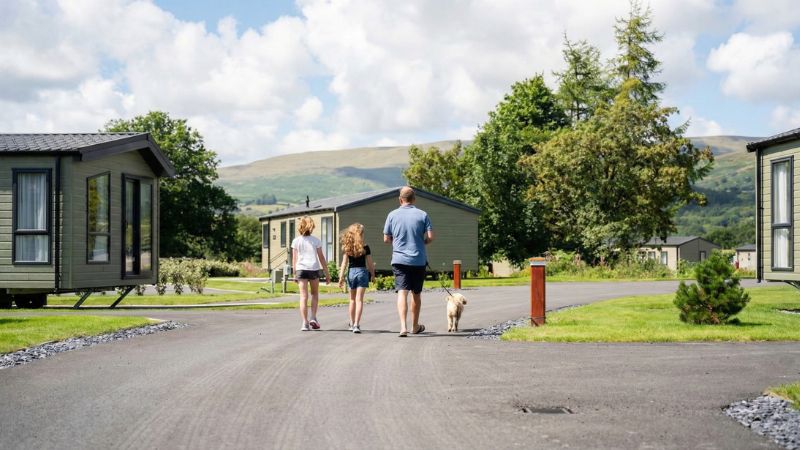
On an owners-only park, Friday evening is when you pour a drink and listen to the birdsong.
- Security: You know who's on the park. No rental changeovers, no surprises — just familiar faces and a relaxed atmosphere.
- Community: You recognise the couple two pitches over. If you leave a chair outside, it'll still be there next weekend.
- Activities: Instead of kids' discos, you get walking groups, coffee mornings, and shared barbecues with neighbours.
The Work-From-Holiday-Home Shift
In 2026, a holiday home isn't purely for holidays. It's a third space between office and home.
- Commercial Parks: Often struggle with network congestion. When 500 renters stream Netflix at 8pm, the Wi-Fi grinds to a halt.
- Owners-Only Parks: The pace is gentler. While you may not get city-speed fibre, you get the peaceful environment where you can actually concentrate.
Many owners use their own in van Wi-Fi or mobile data to finish work on a Friday, surrounded by countryside and fresh air — so when 5pm arrives, they're already unwinding among the hills and wildlife.
7. Decision Framework: Which Suits You?
Use this quick checklist to clarify your thinking (especially if you're comparing several static caravan parks in the same area).
A Commercial / Rental Park Might Suit You If:
- You genuinely need rental income to afford the payments (check the 2026 tax rules first)
- You want arcades, entertainment complexes, and organised activities every night
- You're comfortable with strangers using your caravan
An Owners-Only Park Might Suit You If:
- Peace matters most. You want to relax, walk, or read without interruption.
- You want to protect your investment. You'd rather your caravan lasts 15 years than gets worn out by renters in 5.
- You prefer transparency. A clear site fee beats commission structures and hidden charges.
- You value community. You'd like to make genuine friends with like-minded people.
Subletting note: Some owners-only parks don't allow subletting because it keeps the owner community stable and the atmosphere quieter.
8. Why Choose an Owners-Only Park in Mid Wales?
Across the owners-only parks in Mid Wales, owners typically benefit from:
- Honest, transparent pricing
- Well-maintained countryside and coastal settings
- Genuine owner communities with no rental turnover
- Approachable park managers who offer straightforward advice
- Clear information without hidden conditions
Each park has its own character, from riverside locations to elevated hillside retreats. What they share is a philosophy: peaceful ownership, long-term satisfaction, and honesty from first enquiry to final handover.
Morben Isaf at a Glance
This guide is published on the Morben Isaf blog. The park facts below are included for context.
- Type: Owners-only static caravan and lodge park (no commercial subletting)
- Park Managers: Ben & Sarah
- Location: Derwenlas, near Machynlleth, SY20 8SR
- Setting: Mid Wales countryside, Dyfi Valley
- Season: 1st March – 2nd January (10 months)
- Policy: Owners-only, and no subletting (designed to keep the owner community stable and the atmosphere quieter)
- On-Park Features: Gym, children's play areas, dog walks
- Annual Site Fees (inc VAT): Single pitch £3,944.40 | Double pitch £4,884.40
If you're shortlisting parks, Morben Isaf is one example of how an owners-only model operates in practice.
Frequently Asked Questions
Can my family use my caravan?
Yes. "Owners-only" means no commercial subletting to strangers via holiday letting platforms. Family and close friends are welcome to use your holiday home.
Are site fees higher on owners-only parks?
They can appear higher initially, but total ownership costs are often lower. Commercial parks subsidise fees with rental income, but owners pay through wear and tear, commission charges, and shorter caravan lifespans. Factor in reduced damage, security of tenure, and better resale values, and owners-only parks frequently work out cheaper over time.
Do I pay Council Tax?
Not in normal circumstances. Holiday park caravans usually can't be used as a main residence. That typically means they're not treated as standard Council Tax dwellings — but rules vary, so check with your local authority to confirm.
Can I live there year-round?
No. Holiday parks require you to maintain a main residential address elsewhere where you pay Council Tax. You can visit as often as you like during the open season, but permanent residence isn't permitted.
Is it easier to sell a caravan on an owners-only park?
Generally, yes. Units often remain in better condition because they haven't been rented out, and buyers value the security of an exclusive community.
Does Morben Isaf allow subletting?
No. Morben Isaf is owners-only and does not allow commercial subletting. The aim is to keep the park's owner community focused and the atmosphere quieter.
Does the park have touring pitches?
Yes. Morben Isaf is owners-only for static caravan and lodge ownership (no subletting). There is a separate small touring area, but the static owner community remains distinct.
How do I find Morben Isaf?
The park is near Machynlleth in the Dyfi Valley, easily reached from the A487. The postcode for sat-nav is SY20 8SR, however, please use the park name (Morben Isaf Holiday Park) for Sat Nav directions.
The Bottom Line
In 2026, buying a static caravan isn't about gambling on rental returns. It's about deciding how you want to spend your time.
Owners-only parks offer a quieter alternative. They avoid the tax complications, the tourist churn, and the high-pressure tactics of volume-driven commercial parks.
The trade-off is exclusivity, which may cost a little more. Whether that's worth it depends entirely on what you're looking for.
If you're comparing owners-only parks, Morben Isaf's ownership brochure is one place to see the policies, season dates and site fees laid out clearly.

Disclaimer: This guide is for general information only and reflects typical industry practice as of 2025/2026. While we aim for accuracy, we make no representations or warranties about the completeness, accuracy, or reliability of the information provided, and we accept no liability for any errors or omissions. Costs, policies, licence terms, and facilities vary between parks and manufacturers and may change without notice. Any reliance you place on this information is at your own risk — always confirm details directly with the park manager before making any purchase decision. This content does not constitute financial, legal, or professional advice. If you need specific guidance, please consult a qualified professional.